Your Ultimate DMARC Analyzer
We Stop Hackers From Sending Emails From Your Domain with DMARC



We Stop Hackers From Sending Emails From Your Domain with DMARC

Prevent Spoofed Emails

Protect Your Organization’s Reputation

Boost Email Reach, Trust & Deliverability
Trusted by businesses and governments across the globe
DMARC monitoring services empower organizations to track malicious sending sources and analyze DMARC. With a range of reporting, analysis, and management services on the PowerDMARC platform, our DMARC monitor offers complete control over your email authentication protocols.

Our DMARC analysis empowers organizations to defend against spoofing, phishing, BEC, and ransomware attacks.

Our DMARC monitoring service provides you visibility in the form of simplified reports with granular details that offer unmatched insight into your email channels.

Improve your email deliverability rates by almost 10% with domain analyzer implementation.
DMARC (Domain-based Message Authentication, Reporting & Conformance) is an industry-acclaimed email authentication protocol, designed to empower organizations in getting back control over their own domains. Our DMARC analyzer is intended to give domain owners the visibility required to protect their domain names against unauthorized use, such as in the case of spoofing and phishing attacks.
PowerDMARC’s DMARC analyzer functions as a full-fledged DMARC service that helps organizations analyze and interpret the DMARC monitoring data generated by their email receivers. This free DMARC analyzer can be used by organizations to identify and mitigate potential email spoofing attempts on the DMARC monitor along with other email-based security threats.
We allow domain owners to instantly set up DMARC services with a policy in their DNS records that specifies which mechanisms are used to authenticate email messages sent from their domain, and what to do if authentication fails.
Get DMARC protection free for 15 days!
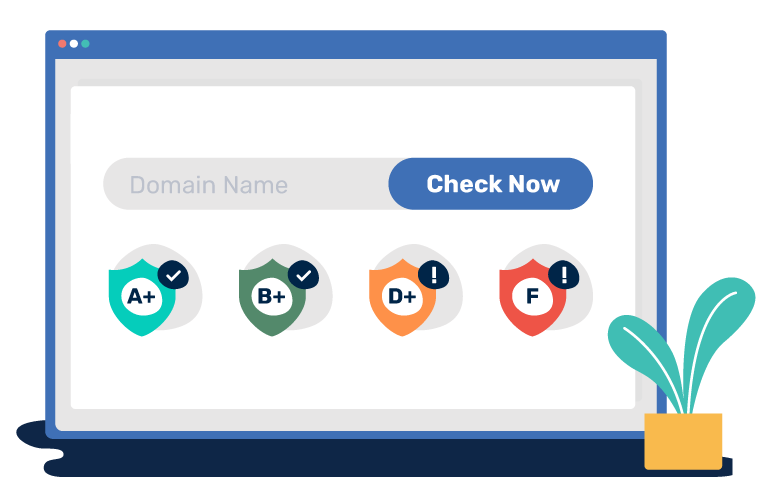
Monitor DMARC policies from a single platform without having to access your domain naming system to optimize your configuration.

One-click Hosted SPF optimization with record flattening or SPF Macros approach to always stay under the lookup limit and enjoy error-free SPF.
Simplify DKIM selector and key management for multiple domains with this one-stop service that enables you to optimize your DKIM authentication seamlessly.
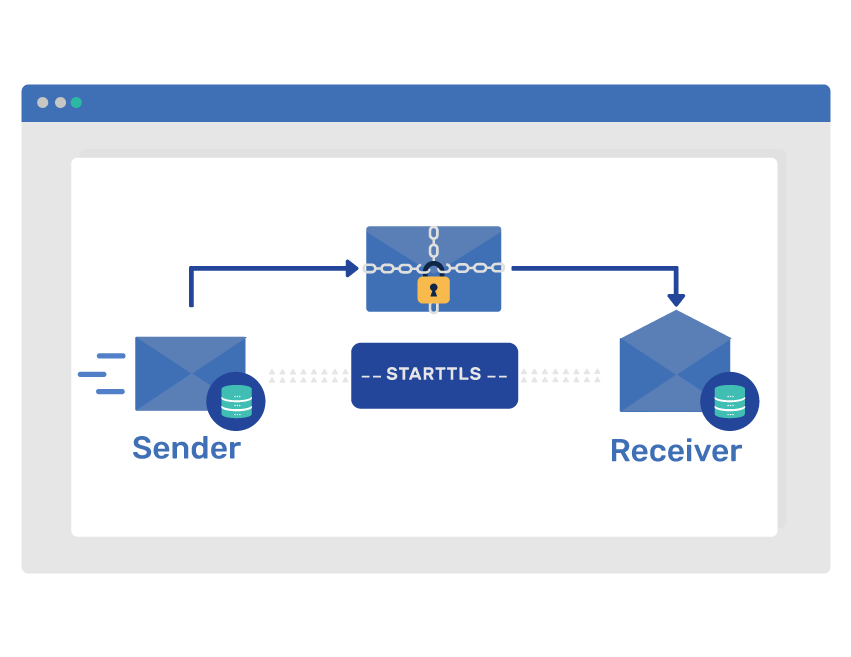
Enjoy hosted MTA-STS to enforce TLS encryption for your emails, and monitor email deliverability issues with simplified human-readable TLS reports.
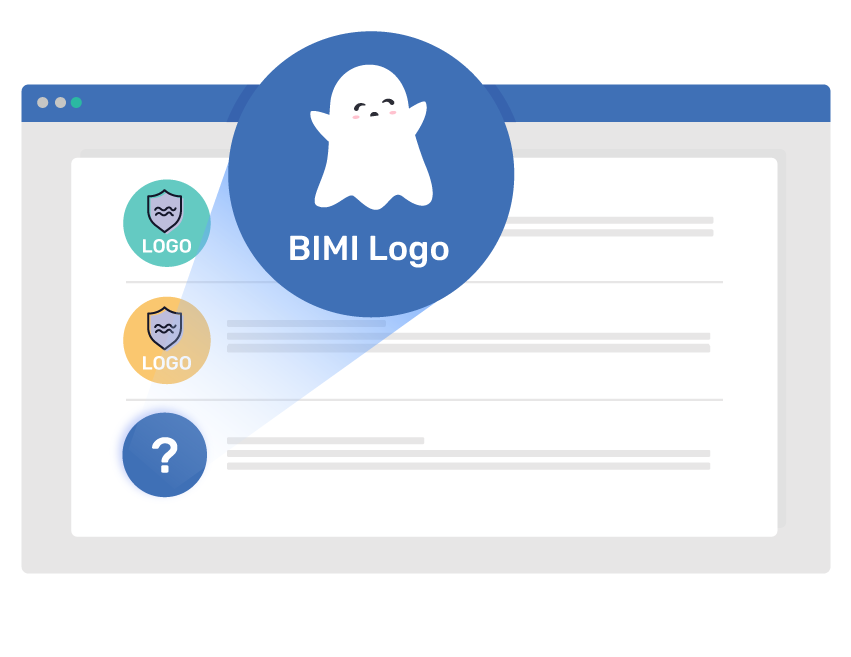
Attach your unique brand logo to all emails you send out from your domain, and make yourself stand out in your customers’ inboxes.

Monitor forensic and threshold incidents directly from your own mailbox with our DMARC service.
PowerDMARC offers a range of DMARC services programmed meticulously to suit the needs of all business sizes and governments – there is something for everyone!
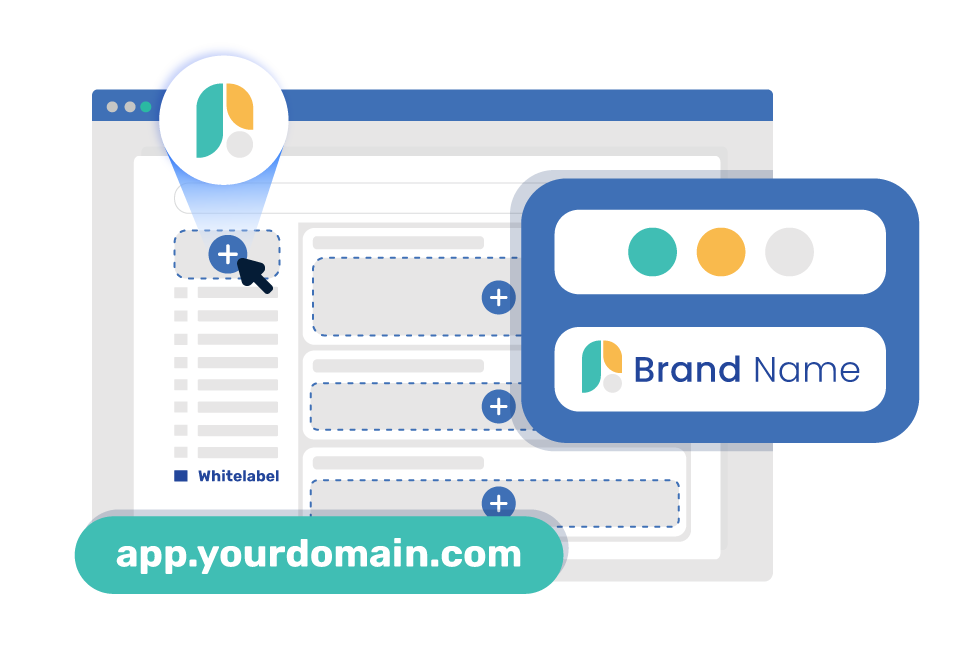
Our DMARC analyzer multi-tenant platform has a partnership model that provides an option to resell our services with your own branding. Customize your plans, connect your billing system, and personalize our DMARC software platform using your own look and feel.
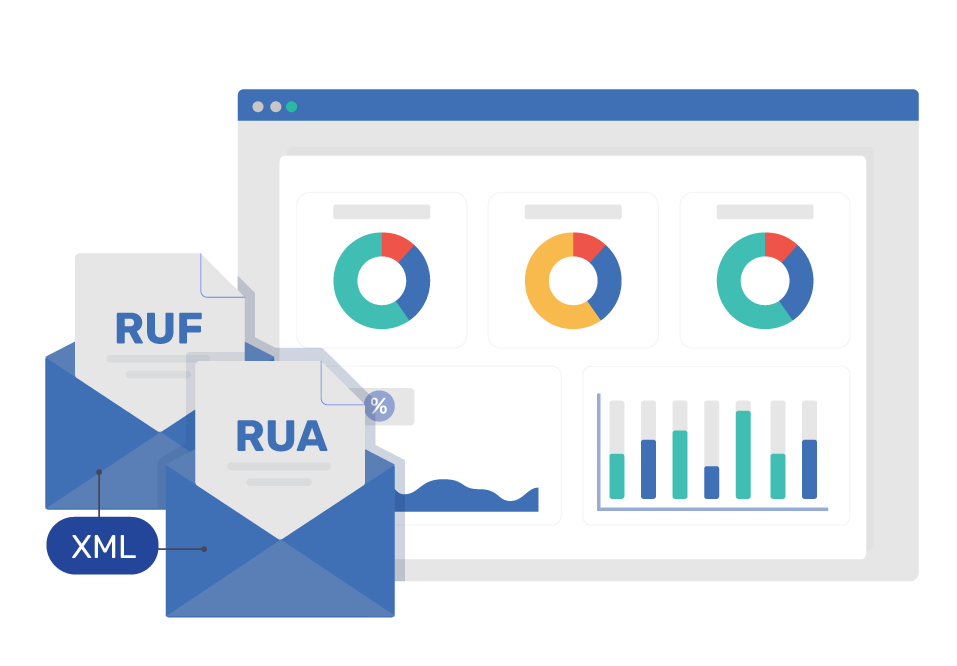
As a part of our DMARC service, you can monitor your DMARC data directly on our DMARC analyzer dashboard in an organized format that is easy to read and understand.

An array of analysis features helps you instantly examine your email’s headers and monitor your domain’s reputation and email security health.
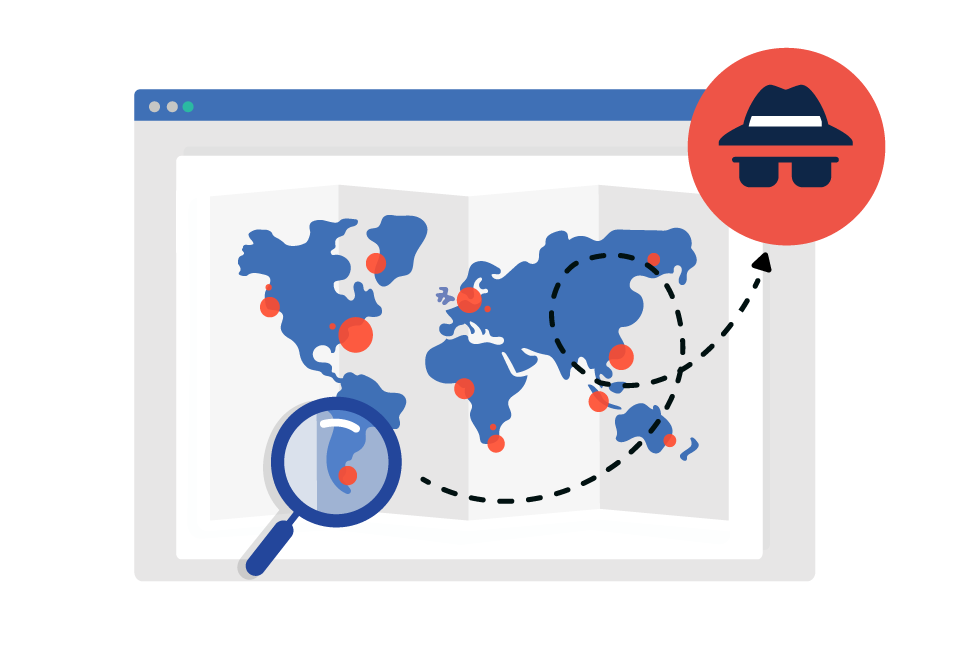
Real-time DMARC monitoring threat map allows you to track down email spoofing attacks taking place at various locations around the globe.
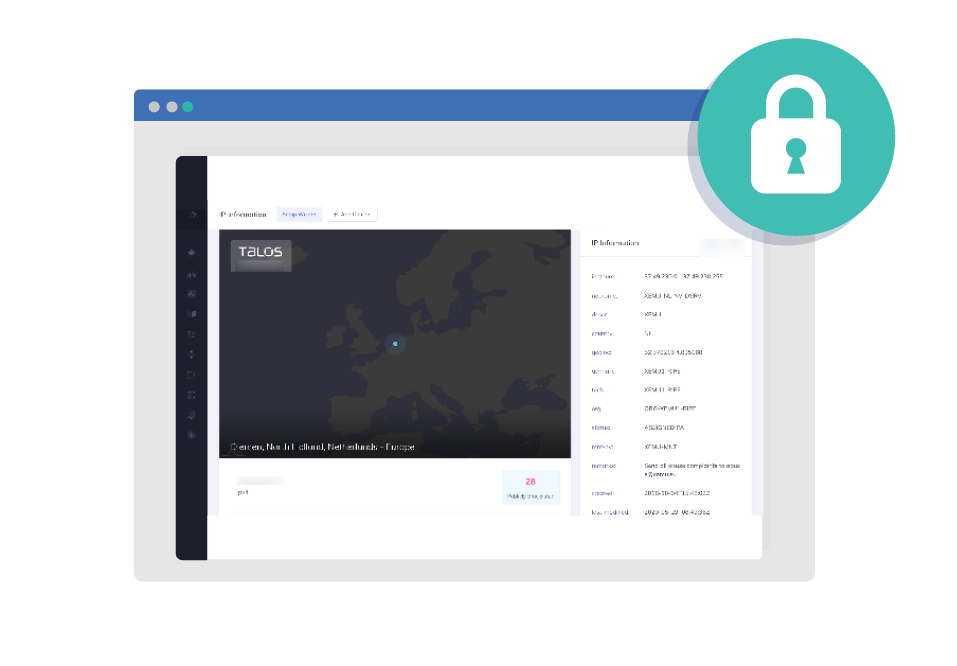
Our AI-driven threat intelligence (TI) engine can pinpoint abusive IPs wherever they are on the planet and give you a full history of their abuse, and have them blacklisted.
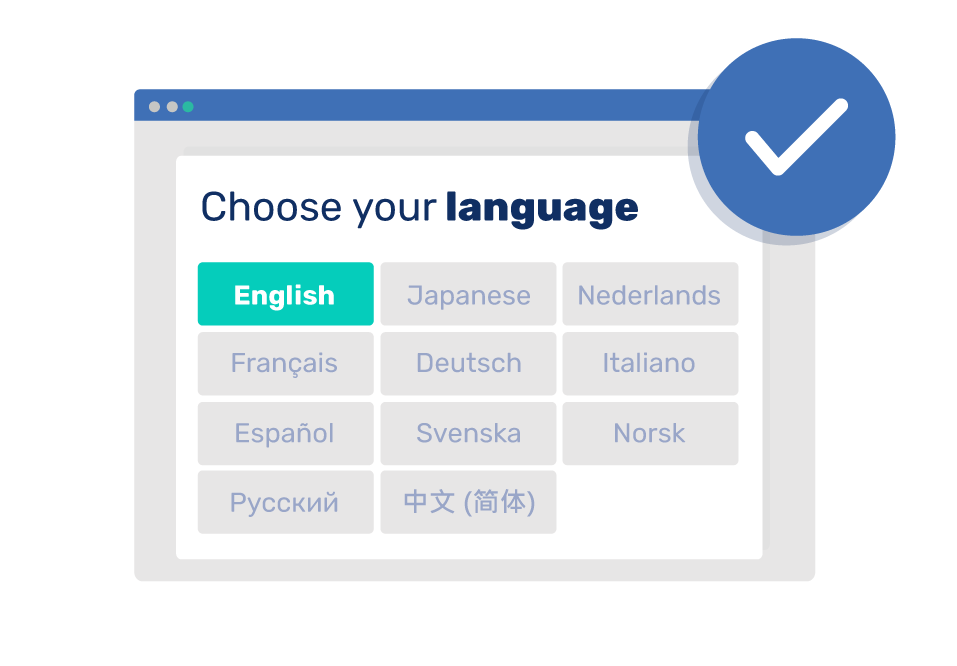
Our customer-centric approach motivated us to build a free DMARC analyzer control panel that supports 11 languages including Japanese, French, German, Italian, Dutch, and more!
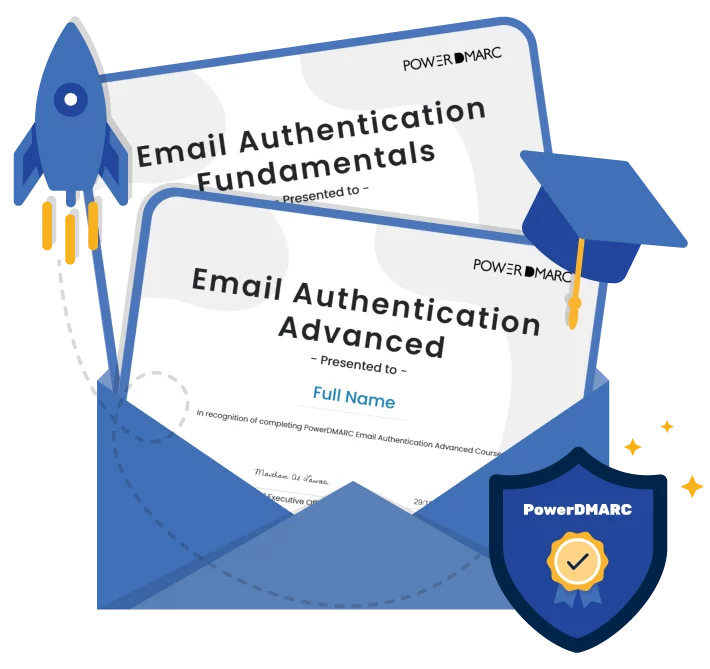
Learn about DMARC, email authentication, and information security by taking our Fundamentals & Advanced courses curated for both beginners and experienced professionals. Earn free, shareable certificates at the end of each course to showcase your infosec skills!
 Gain compliance with PCI-DSS’s latest mandates of DMARC enforcement at the fastest rate! While it takes most organizations months to achieve compliance – be a trailblazer in the field of email authentication by gaining full compliance in weeks along with advanced visibility on our DMARC analyzer.

We provide email senders the fastest and easiest way to meet the security requirements of prolific email service providers like Google and Yahoo with an intuitive DMARC analysis that is effortless to navigate.
DMARC Analysis helps prevent a wide range of email-based fraud and impersonation attacks like:

CEO Fraud
The attacker, pretending to be a top-level executive, sends emails to your employees requesting money transfers or access to confidential databases.
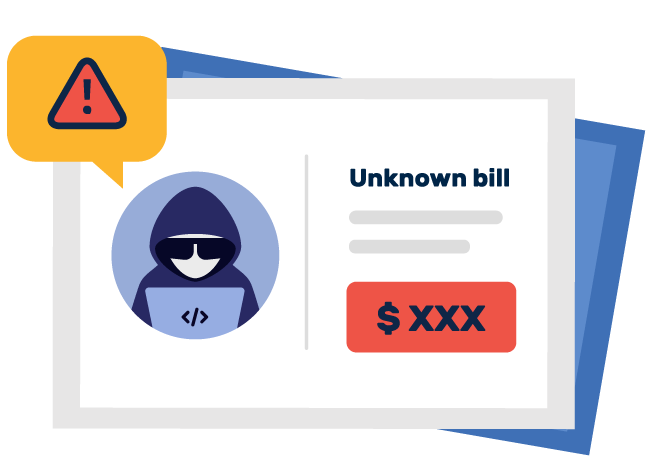
Fake Invoices
A hacker impersonating one of the organisation’s vendors could raise fake invoices that cost companies millions of dollars.

Login Credential Theft
By pretending to be from customer support at your business, an attacker can steal information from your partners and customers.

Selling Illegal Goods
Attackers can use your domain to sell illegal goods online like drugs or weapons, which could land you in serious trouble.
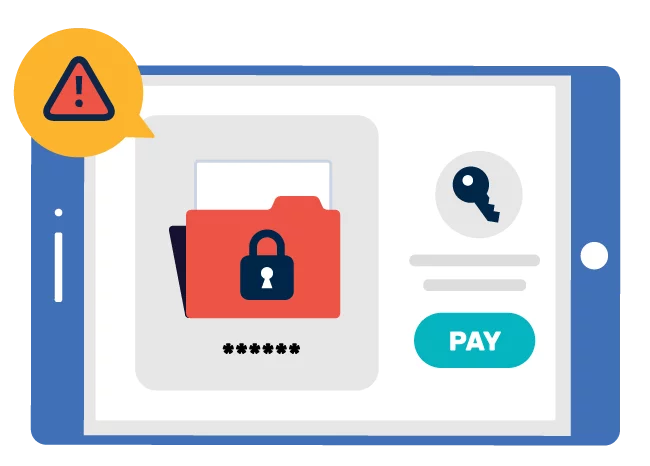
Spreading Ransomware
Malicious emails often contain fake links or attachments that can install ransomware on the target’s device.

Legal Risks
When hackers use your domain to steal money or data from people, it can lead to lawsuits against your organization.
An easy step-by-step guide on implementing PowerDMARC on your domain
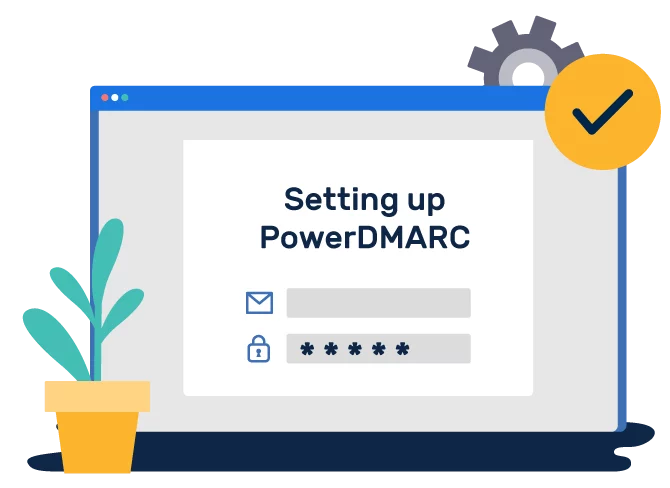

Configure your domain, DMARC policy, and aggregate reporting with our smart setup wizard, and publish the record on your DNS in no time!


Over 1-2 weeks, you will get full visibility and analysis of emails sent across the internet on behalf of your organization’s domain.


Move to a strict DMARC policy like p=quarantine/reject from p=none quickly yet safely to boost your domain’s protection against cyber attacks.
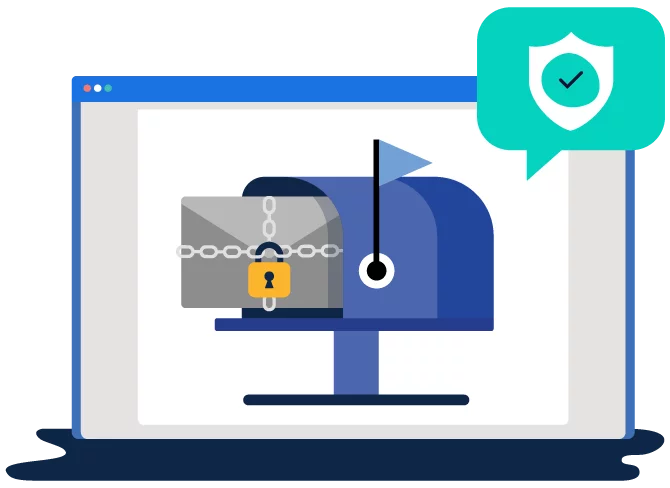

With a policy of p=quarantine or reject, you’re better protected against a range of email-based attacks including spoofing, phishing, BEC, and ransomware.
PowerDMARC is a DMARC Analyzer, Domain Security, and Reporting SaaS platform that allows organizations to monitor and analyze DMARC and email authentication systems configured on their domains. It provides detailed information and statistics on DMARC alignment, SPF and DKIM alignment, and DMARC policy enforcement on a cloud-based DMARC monitor dashboard.
1,000+
Customers
27,000+
Domains Analyzed
60+
Countries


“The great partnership we have with PowerDMARC allows us to deliver exceptional services to our clients.”
– Steve Smith (MSSP Partner – Advantage) –


“Solid DMARC product with nice features”
– Andre S. –

“PowerDMARC’s MSP Partner Program has opened up a new revenue stream, enhanced our service offerings and helped us protect our clients’ email domains.”
– Belgin Abraham (MSSP Partner – Channel Next) –
 Analyze DMARC the right way with PowerDMARC!